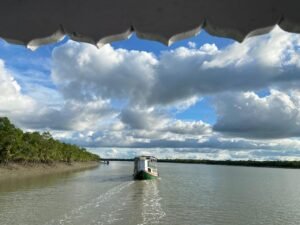
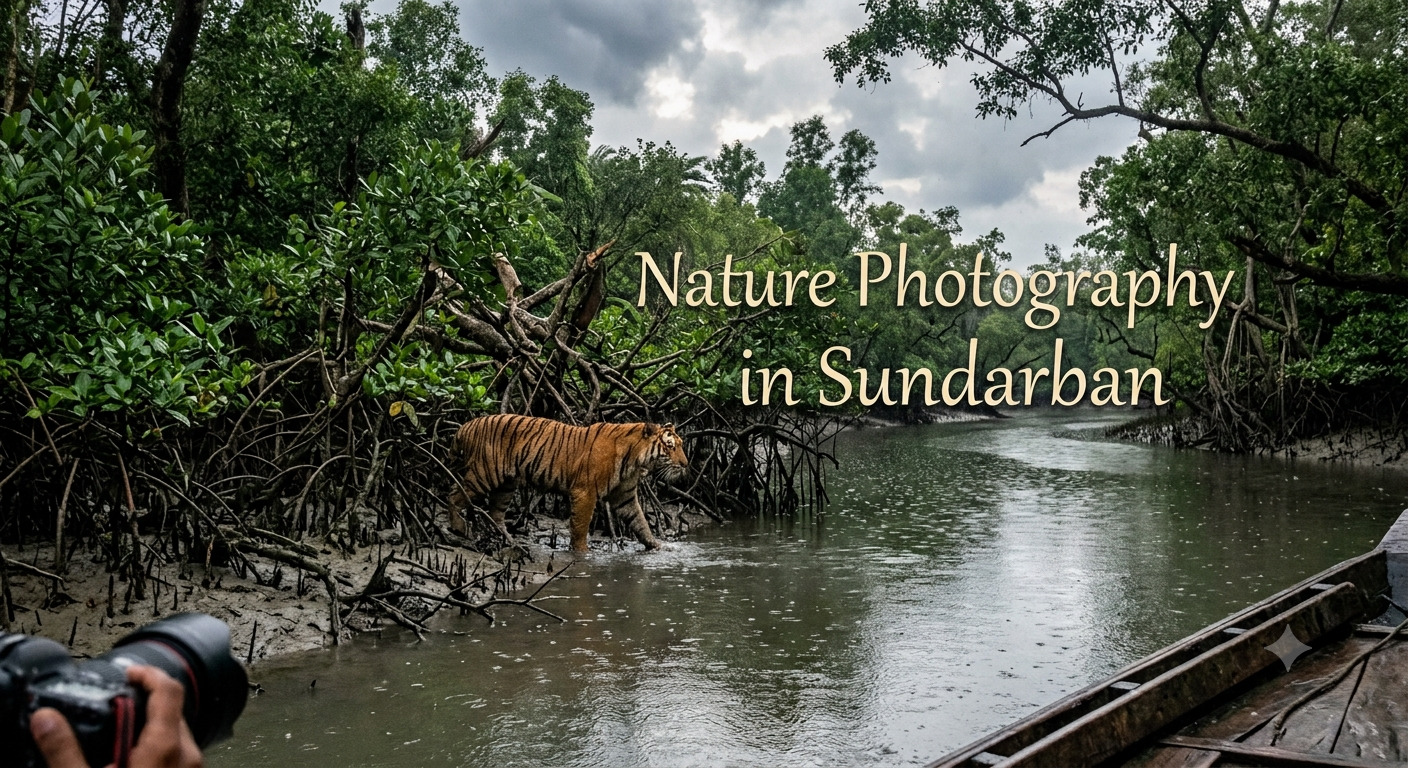
Nature Photography in Sundarban is always a jackpot because you can frame exotic scenes. However, the beauty of wild photography in Sundarban is that you do not know exactly which clicks you will take. The beauty of nature photography reaches its peak during the monsoon. It is the magical season when the Sundarban Mangrove Forest presents dramatic scenes through the digital lens.
The appeal of tourism has varied slightly around the world. Nowadays, the fastest-growing segment of tourism isn’t passive sightseeing. Sundarban tourism is not an exception. It is experience – led active travel, where travellers don’t just visit a destination, they immerse themselves in it.
What is unique about Nature Photography in Sundarban in the monsoon?
Nature Photography in Sundarban is as exciting as a boat safari and sundarban cruising. Sundarban is a paradise for photographers; however, the monsoon creates the most dramatic scenes. Dark clouds, fresh greenery, calm rivers, and mist-covered mangroves offer endless opportunities for photographers.
Nature Photography in Sundarban reaches its peak during the rainy days. Every boat ride can reveal new travel stories. Birds become more active. Raindrops add texture to leaves. Soft light replaces harsh sunlight. Every frame looks fresh and lively.
Whether you carry a DSLR or a smartphone, the monsoon rewards patience and creativity. Here are the best reasons to explore the Sundarbans with your camera.
Monsoon Paints the Mangroves in Fresh Green
Rain converts the forest into a vibrant, lush landscape. Every tree looks brighter. Every creek reflects rich green shades. Fresh leaves make a natural contrast. Moss covers tree trunks. Floating plants decorate quiet waterways.
Morning light adds gentle tones. Evening skies create dramatic backgrounds. You rarely need heavy editing. Photographers enjoy endless composition opportunities on every boat safari.
Wildlife Looks More Active During Rain
The rainy season brings fresh energy to the forest. Animals move more freely after showers.
Spotted deer graze near riverbanks. Monitor lizards bask between rainy spells. Saltwater crocodiles often appear beside muddy shores. Bird lovers enjoy kingfishers, egrets, herons, bee-eaters, and Brahminy kites.
Each Sundarban trip offers different moments. Patience rewards photographers with memorable wildlife images, which is the best reward for wildlife photography.
Soft Natural Light Improves Every Shot
Strong summer sunlight creates hard shadows. Monsoon clouds solve that problem. Soft light highlights natural colours. Water reflects beautiful textures. Green leaves appear richer. Portraits also look better under cloudy skies. Landscapes gain depth without harsh brightness. This natural lighting helps beginners and professionals capture balanced photographs.
Rivers and Reflections Create Stunning Compositions
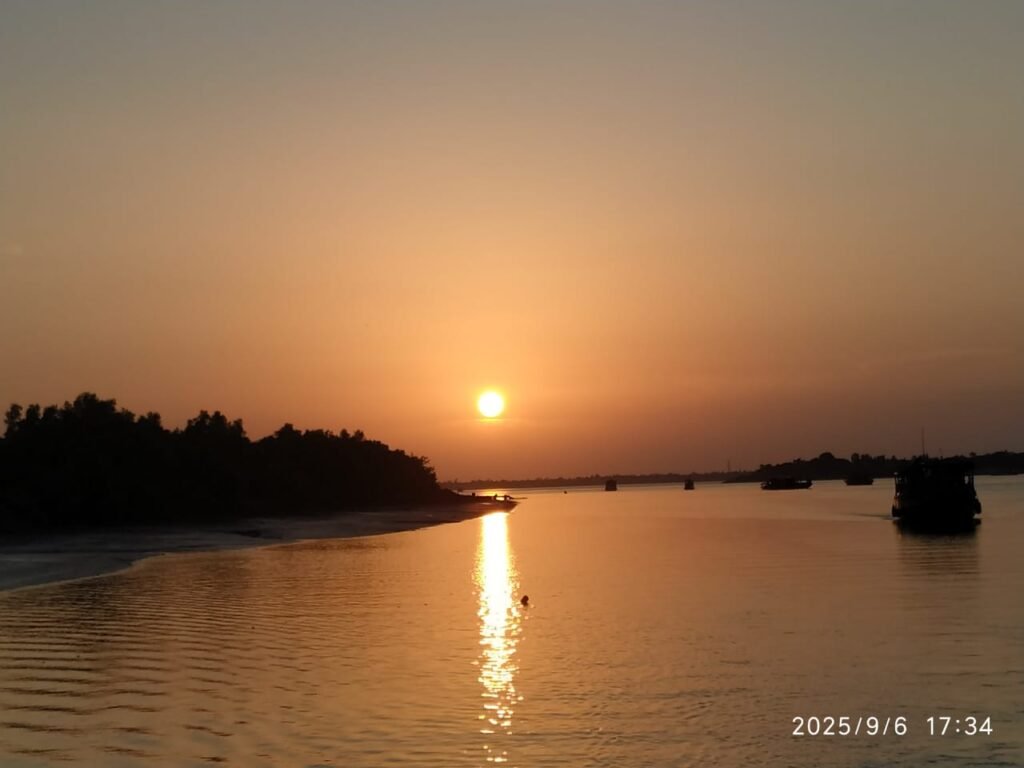
The Sundarbans consists of countless rivers and narrow creeks. Rain makes these waterways even more attractive. Simple compositions often become unforgettable photographs.
Still water mirrors boats, trees, and cloudy skies. Gentle ripples add movement without distracting viewers. Suppose you take low-angle shots from the boat. It can include reflections, which seem great for visual impact.
Every Rain Shower Tells a Different Story
Monsoon weather changes quickly. That creates endless creative clicking opportunities.
Dark clouds build dramatic backgrounds. Gentle rain forms tiny patterns on leaves. Mist softens distant forests. Local fishing boats add human interest. Wooden jetties create leading lines. Colourful raincoats brighten natural surroundings. Every hour presents a fresh scene; however, it is all about the expertise of the wildlife photographer.
Rare Birds Make Every Click Special
The Sundarbans attracts many beautiful birds during the monsoon: fresh water and abundant food support bird activity. Watch colourful kingfishers dive into rivers. Spot egrets along muddy banks. Look for Brahminy kites above the mangroves.
Carry a zoom lens if possible. Stay quiet during bird photography. Sudden movement scares birds away.
Local Life Adds Soul to Clicked Pictures

Nature tells only one part of the Sundarbans story. Local communities complete the picture.
Fishing boats move through narrow creeks. Honey collectors prepare for forest visits. Villagers travel across rivers every day. These moments add emotion to your photo collection. Always ask permission before taking close portraits.
Natural expressions create timeless images, and a wildlife photographer is experienced enough to frame these memorable moments into a digital frame.
Rain Creates Beautiful Close-Up Photography
Monsoon offers excellent chances for macro photography. Raindrops sparkle on fresh leaves. Tiny insects rest on wet branches. Wild flowers bloom beside forest paths. Focus on textures and patterns. Experiment with different angles.Small details often produce the most memorable photographs.
Sunrise and Sunset Deliver Magical Colours
Cloudy skies create dramatic sunrise and sunset scenes. Golden light reflects across rivers and whirling water. Orange clouds meet deep green mangroves. Boats appear as beautiful silhouettes.
- Reach your location early. Keep your camera ready before the light changes.
- The best colours often last only a few minutes.
Simple Photography Tips for Better Monsoon Pictures
- Protect your camera with a waterproof cover. Carry a microfiber cloth for cleaning lenses.
- Use fast shutter speeds for birds. Slow down the shutter for artistic rain effects.
- Keep your equipment inside dry bags during heavy showers.
- Wear comfortable clothing and non-slip shoes. Respect wildlife and maintain a safe distance.
- Early mornings offer the best chances for clear shots.
Most importantly, enjoy the journey. Great photographs come from observation and patience.
Conclusion
The rainy season reveals the Sundarbans at its finest. Fresh greenery, dramatic skies, active wildlife, and calm rivers create unforgettable moments. Nature Photography in Sundarban becomes more rewarding because every journey offers unique scenes. Pack your camera, embrace the rain, and discover the unmatched beauty of this remarkable mangrove forest.
Plan Your Monsoon Photography Tour
Our well-planned tours help you explore the best locations in Sundarban during the monsoon, which is a challenging time for outsiders. With Madhuban Leisure arranged tour, capturing breathtaking landscapes, vibrant wildlife, and flowing river views becomes easier. Also, you can enjoy a safe and comfortable journey through nature’s paradise at Sundarban Tiger Roar Resort. Contact Madhuban Leisure and plan a customized tour of your choice.
FAQs on Nature Photography in Sundarban
- Why is the Sundarban ideal for nature photography?
The Sundarban Mangrove Forest offers mangrove forests, winding rivers, rich birdlife, wildlife, and dramatic natural light, creating stunning photography opportunities year-round.
- Which season is best for nature photography in the Sundarban?
Monsoon and winter provide lush landscapes, vibrant greenery, migratory birds, soft light, and beautiful reflections for memorable nature photography.
- What wildlife can photographers capture in the Sundarban?
Photographers can capture spotted deer, crocodiles, kingfishers, eagles, herons, monkeys, and, with luck, the majestic Royal Bengal Tiger.
- What camera equipment is recommended for Sundarban photography?
Carry a telephoto lens, wide-angle lens, extra batteries, memory cards, waterproof protection, and a lightweight tripod for versatile photography.
- Can beginners enjoy nature photography in the Sundarban?
Yes. Beginners can photograph rivers, birds, mangroves, village life, and scenic sunsets while learning wildlife photography in natural surroundings.
- How can photographers protect their equipment during a Sundarban trip?
Use waterproof bags, silica gel packs, lens covers, and dry storage to protect cameras from humidity, rain, and splashes from rivers.